
The word flor means flower. In the bodegas of the Marco de Jerez it refers to the pale veil of yeast that forms naturally on the surface of certain wines as they age in partly filled casks. For generations, this veil was understood through observation before it was fully understood through microbiology. Winemakers knew that some casks developed it, that some wines were transformed by it, and that those wines became lighter, paler, more pungent and more incisive than wines aged in direct contact with oxygen.
Today, the essential mechanisms are well understood. Flor is not a decorative surface growth. It is the biological engine of Fino, Manzanilla and the first phase of Amontillado. It is also part of the official definition of Palo Cortado, whose ageing is predominantly oxidative after the disappearance of the initial veil. In every case, flor matters because it changes the wine chemically, aromatically and texturally.
Flor protects the wine from direct oxidation, but it also carries out oxidative metabolism of its own. It consumes certain compounds and produces others. It reduces body, increases aromatic lift, preserves pale colour and contributes to the characteristic notes of almond, fresh bread, yeast, green apple, chalk, brine and dry bitterness.
What flor is
Flor is a yeast biofilm. More precisely, it is a floating community of film-forming yeasts, dominated by strains of Saccharomyces cerevisiae adapted to the demanding environment of biologically aged wine. These yeasts survive where ordinary fermentative yeasts would not: in a wine that has completed fermentation, contains very little fermentable sugar, has significant alcohol, and offers oxygen only at the surface.
Traditional Sherry microbiology has described several flor yeast races or populations, including beticus, montuliensis, cheresiensis and rouxii. These names remain useful in the literature of Sherry, but they should not be read too rigidly as if each bodega contained a fixed, uniform biological population. Modern genetic work has shown that flor yeasts are specialised lineages within the broader Saccharomyces cerevisiae world, adapted to life at the wine-air interface. Their composition can vary according to cellar, season, cask, age of the wine, nutrient availability, acetaldehyde concentration and the physical condition of the veil itself.
The veil may appear thin, wrinkled, creamy or compact depending on its vitality and environment. At its most active, it forms a continuous, visible layer across the surface of the wine. Its purpose, from the yeast’s point of view, is survival. Once fermentable sugar is scarce, these yeasts shift towards a surface-dwelling oxidative metabolism that allows them to use oxygen and compounds in the wine as energy sources.
For the winemaker, that survival strategy becomes a style of wine.
What flor needs
Flor only develops under particular conditions. The wine must have completed fermentation and be dry. It must have enough alcohol to discourage unwanted microbial activity, but not so much that the flor yeasts cannot survive. For Fino and Manzanilla, the wine is generally fortified to around 15% alcohol, a level compatible with biological ageing. Wines intended for Oloroso are fortified to a higher strength, normally at or above 17%, which inhibits flor and directs the wine towards oxidative ageing.
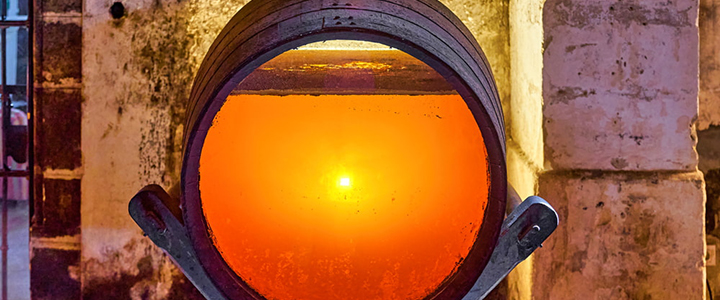
The cask must not be filled completely. A free surface is necessary because flor develops at the interface between wine and air. The bota therefore contains both wine and headspace, allowing oxygen to be available to the veil while the wine beneath remains largely shielded from direct contact with air.
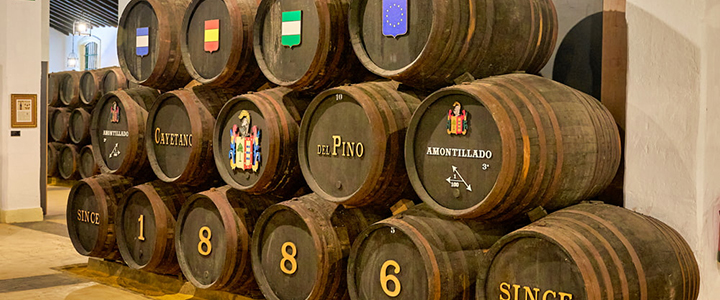
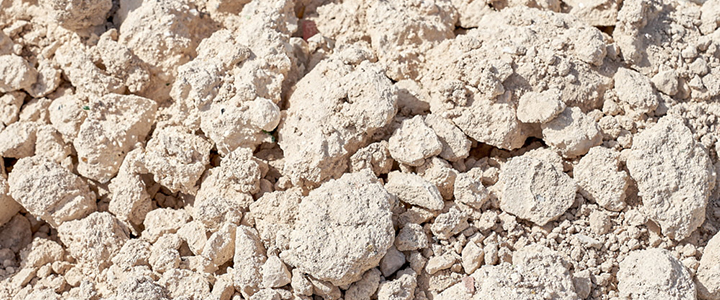
Cellar conditions are equally important. Flor thrives in moderate temperatures, sufficient humidity and good air renewal. This is why the architecture of the traditional bodegas matters so much: high ceilings, thick walls, albero floors, controlled ventilation and orientation towards Atlantic air are not merely picturesque features. They help create the microclimate in which flor can persist.
The solera system also supports flor. Periodic sacas and rocíos refresh the wine with younger material, bringing new nutrients into the system and helping maintain the biological activity of the veil. Biological ageing is therefore not only a question of yeast; it is a relationship between yeast, wine, cask, cellar and the rhythm of the criaderas and solera.
What flor consumes
Flor transforms wine because it feeds on it. Its metabolism changes the analytical composition of the wine and, with it, the sensory profile.
It consumes ethanol. Flor yeasts can use alcohol as a carbon source, oxidising ethanol and producing acetaldehyde as a key intermediate. This is one reason why the alcoholic strength of biologically aged wines may decrease during ageing and why producers may need to monitor and, where permitted, correct the alcoholic degree during the wine’s life in the system.
It consumes glycerol. This is crucial for texture. In most wines, glycerol contributes roundness, viscosity and a soft impression on the palate. Flor yeasts reduce glycerol substantially, sometimes to very low levels. The result is one of the defining tactile sensations of Fino and Manzanilla: they are fortified wines, but they do not feel heavy. They are dry, linear, sharp and almost weightless compared with their alcohol.
It consumes residual sugar. Palomino base wines destined for biological ageing are already dry after alcoholic fermentation, but flor removes remaining traces of fermentable material. This contributes to the bone-dry profile of Fino and Manzanilla.
It consumes oxygen. This point requires precision. Biologically aged Sherry is not simply unoxidised. The yeast itself uses oxygen as part of its metabolism. At the same time, once the surface is covered by flor, the wine beneath is protected from direct oxidative browning. This is why Fino and Manzanilla remain pale while Oloroso darkens. Flor does not remove oxygen from the story; it controls how oxygen participates in the wine’s evolution.
Flor yeasts also metabolise organic acids, amino acids and other nutrients. Their activity is therefore not limited to one compound or one aroma. Biological ageing is a broad transformation of wine chemistry.
What flor produces
The most important compound associated with flor is acetaldehyde. It is produced as ethanol is oxidised during the yeast’s metabolism and is one of the central aromatic markers of biologically aged Sherry.
In ordinary table wine, high acetaldehyde is usually undesirable. In Fino and Manzanilla, it is part of the identity of the style. It contributes pungent, lifted aromas often described as green apple, bruised apple, fresh bread dough, yeast, almond skin or raw nut. These descriptors should not all be attributed to acetaldehyde alone – the aroma of Sherry is the result of many compounds – but acetaldehyde is one of the defining pillars.
Flor also contributes indirectly through autolysis. As yeast cells die, they sink into the wine as lees, traditionally known in the region as cabezuelas. Over time, these lees can release mannoproteins, amino acids, vitamins, proteins, enzymes and other cellular components. In a long-running biological system, this process contributes to texture, mouthfeel and complexity, even though the wine remains dry and apparently austere.
This is one of the paradoxes of Fino and Manzanilla: flor strips the wine of softness by consuming glycerol, yet long biological ageing can add a subtle textural depth through yeast autolysis. The best examples are therefore both lean and complex, sharp and layered.
Why Manzanilla is different
Sanlúcar de Barrameda gives biological ageing one of its most distinctive expressions. Its position at the mouth of the Guadalquivir, open to Atlantic influence and close to the Doñana coast, creates a cooler, more humid environment than inland Jerez. The result is a particularly favourable setting for persistent flor.
This does not mean that flor is identical in every Sanlúcar bodega or that it never varies with the seasons. It does mean that the maritime climate, high humidity and Atlantic ventilation help sustain biological ageing with unusual continuity. Manzanilla is therefore not simply Fino made in Sanlúcar. It is a wine whose legal identity, cellar conditions and sensory profile are tied to a specific town and its microclimate.
The typical Manzanilla profile – pale colour, flor character, almond, fresh bread, flowers, saline sensation, low glycerol, moderate acidity and elegant bitterness – is inseparable from this environment. Its delicacy is not weakness. It is the expression of a biological ageing system operating under particularly maritime conditions.
Jerez, El Puerto and the wider biological spectrum
Biological ageing is not exclusive to Sanlúcar. Jerez de la Frontera and El Puerto de Santa María also produce biologically aged wines of great importance, but the expression of flor may differ. Inland Jerez experiences greater thermal amplitude and a different relationship between humidity, heat and cellar architecture. El Puerto occupies another Atlantic position, with its own balance of freshness and structure.
These differences should not be reduced to simple formulas. It would be too easy to say that Sanlúcar is always delicate, Jerez always powerful and El Puerto always intermediate. The reality depends on the bodega, the solera, the age of the wine, the number of criaderas, the rhythm of sacas, the cask position and the cellar microclimate. Still, the broad principle is sound: flor responds to place, and the same yeast-driven process does not produce identical wines in every town of the Marco.
When flor weakens or disappears
Flor is alive, and because it is alive, it is not permanent. It can thicken, thin, revive or disappear. Temperature, humidity, oxygen, alcohol, nutrients, age of the wine and the accumulation of metabolic compounds all affect its stability.
In Fino and Manzanilla, the aim is to maintain biological ageing. In Amontillado, by contrast, the wine begins under flor and later continues through oxidative ageing. This transition is central to the identity of the style. The biological phase gives the wine its sharpness, salinity and lifted aromatic profile; the oxidative phase gives it amber colour, nutty depth, concentration and warmth.
Oloroso follows another path. In practical cellar terms, it is selected and fortified for oxidative ageing from the outset. Once any initial surface yeast has disappeared or been inhibited by the higher alcoholic strength, the wine ages without flor and in direct contact with oxygen through the headspace of the cask. Its darker colour, broader body and walnut-like aromas are the consequence not of failed biological ageing, but of a deliberate decision.
Palo Cortado is more complex and should be described carefully. The current pliego defines it as a wine of predominantly oxidative ageing after the disappearance of the initial veil of flor. In practice, its identity is also organoleptic: the aromatic finesse associated with Amontillado and the body and structure associated with Oloroso. It should not be reduced to a single accidental mechanism. Its identity lies in selection, classification, ageing and sensory character.
What this means in the glass
When you open a Fino or Manzanilla and find notes of yeast, almond, bread dough, fresh apple, chalk, brine and delicate bitterness, you are tasting the accumulated work of flor. Those aromas are not added to the wine. They are generated through the wine’s biological environment.
The flor is not a flavouring agent. It is the living interface between wine and air. It shapes colour by limiting direct oxidation. It shapes texture by reducing glycerol. It shapes aroma by producing acetaldehyde and other volatile compounds. It shapes dryness by consuming residual nutrients. It shapes complexity through autolysis and long contact with the wine beneath.
This is why two biologically aged wines can be recognisably related and still markedly different. Each solera has its own rhythm. Each bodega has its own humidity, air flow and temperature pattern. Each cask occupies a particular position within that bodega. Each saca captures the wine at a particular moment in the life of the veil.
The meaning of en rama
En rama bottlings make this especially visible. The term is used for wines bottled with less intervention than standard commercial releases, usually with a closer connection to the immediate state of the wine in cask. It should not be treated as a guarantee of absolute absence of filtration or stabilisation in every producer’s practice. Its importance is sensory: it can show the condition of the wine and the flor more directly.
Spring and autumn are traditionally periods of strong flor activity, favoured by moderate temperatures and humidity. Summer heat may thin the veil; winter cold may slow its metabolism. The precise effect depends on the cellar, but the principle is clear: flor is not static. It has seasons, and those seasons can be tasted.
A spring saca may show heightened flor character, freshness and pungency. An autumn saca may show another point in the cycle of recovery and renewed activity. These differences are not merely marketing distinctions. They reflect the biological state of the wine at the moment of selection and bottling.
Why flor matters
Flor matters because it is the difference between a fortified white wine and Fino or Manzanilla. Without it, Palomino would still produce wine; Jerez would still have casks, soleras and oxidation. But the pale, saline, almond-scented, bone-dry world of biological ageing would not exist in the same form.
Biological ageing is not exclusive to the Marco de Jerez. Other European wine traditions also use surface yeasts, including Vin Jaune in the Jura and Vernaccia di Oristano in Sardinia. What is distinctive in Jerez and Sanlúcar is the combination of Palomino, fortification, criaderas and solera, cellar architecture, Atlantic climate and a continuous culture of managing flor over time.
The great lesson of flor is that Sherry is not only made by fortification and time. It is made by a living organism working in partnership with human decisions. The winemaker prepares the conditions: vineyard, fermentation, classification, fortification, cask, cellar and solera rhythm. The flor then does what no recipe can do. It lives on the wine and transforms it from the surface down.
Understanding flor is therefore essential to understanding biologically aged Sherry. It explains the colour, the dryness, the texture, the aroma, the seasonality and the difference between Fino, Manzanilla, Amontillado, Oloroso and Palo Cortado. It also explains why the Marco de Jerez is not simply a region of old fortified wines, but one of the most sophisticated biological ageing cultures in the world.