

Fine & Fortified
  • Tasting Notes
  • Producers
  • Buying Guides
  • Journal
  • Where to Buy
  • About
  • Newsletter
  • AI Audit ✦
Fine & Fortified
Fine & Fortified
  • Tasting Notes
  • Producers
  • Buying Guides
  • Journal
  • Where to Buy
  • About
  • Newsletter
  • AI Audit ✦

@2022 - All Right Reserved. Designed and Developed by PenciDesign

Category:

education

J What Flor Actually Does The Biology Behind Biologically Aged Sherry
educationjournal

What Flor Actually Does: The Biology Behind Biologically Aged Sherry

written by admin

J What Flor Actually Does The Biology Behind Biologically Aged Sherry

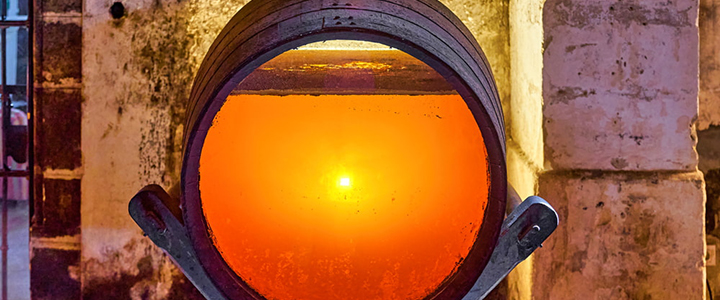
The word flor means flower. In the bodegas of the Marco de Jerez it refers to the pale veil of yeast that forms naturally on the surface of certain wines as they age in partly filled casks. For generations, this veil was understood through observation before it was fully understood through microbiology. Winemakers knew that some casks developed it, that some wines were transformed by it, and that those wines became lighter, paler, more pungent and more incisive than wines aged in direct contact with oxygen.
Today, the essential mechanisms are well understood. Flor is not a decorative surface growth. It is the biological engine of Fino, Manzanilla and the first phase of Amontillado. It is also part of the official definition of Palo Cortado, whose ageing is predominantly oxidative after the disappearance of the initial veil. In every case, flor matters because it changes the wine chemically, aromatically and texturally.
Flor protects the wine from direct oxidation, but it also carries out oxidative metabolism of its own. It consumes certain compounds and produces others. It reduces body, increases aromatic lift, preserves pale colour and contributes to the characteristic notes of almond, fresh bread, yeast, green apple, chalk, brine and dry bitterness.

What flor is
Flor is a yeast biofilm. More precisely, it is a floating community of film-forming yeasts, dominated by strains of Saccharomyces cerevisiae adapted to the demanding environment of biologically aged wine. These yeasts survive where ordinary fermentative yeasts would not: in a wine that has completed fermentation, contains very little fermentable sugar, has significant alcohol, and offers oxygen only at the surface.
Traditional Sherry microbiology has described several flor yeast races or populations, including beticus, montuliensis, cheresiensis and rouxii. These names remain useful in the literature of Sherry, but they should not be read too rigidly as if each bodega contained a fixed, uniform biological population. Modern genetic work has shown that flor yeasts are specialised lineages within the broader Saccharomyces cerevisiae world, adapted to life at the wine-air interface. Their composition can vary according to cellar, season, cask, age of the wine, nutrient availability, acetaldehyde concentration and the physical condition of the veil itself.
The veil may appear thin, wrinkled, creamy or compact depending on its vitality and environment. At its most active, it forms a continuous, visible layer across the surface of the wine. Its purpose, from the yeast’s point of view, is survival. Once fermentable sugar is scarce, these yeasts shift towards a surface-dwelling oxidative metabolism that allows them to use oxygen and compounds in the wine as energy sources.
For the winemaker, that survival strategy becomes a style of wine.

What flor needs
Flor only develops under particular conditions. The wine must have completed fermentation and be dry. It must have enough alcohol to discourage unwanted microbial activity, but not so much that the flor yeasts cannot survive. For Fino and Manzanilla, the wine is generally fortified to around 15% alcohol, a level compatible with biological ageing. Wines intended for Oloroso are fortified to a higher strength, normally at or above 17%, which inhibits flor and directs the wine towards oxidative ageing.
The cask must not be filled completely. A free surface is necessary because flor develops at the interface between wine and air. The bota therefore contains both wine and headspace, allowing oxygen to be available to the veil while the wine beneath remains largely shielded from direct contact with air.
Cellar conditions are equally important. Flor thrives in moderate temperatures, sufficient humidity and good air renewal. This is why the architecture of the traditional bodegas matters so much: high ceilings, thick walls, albero floors, controlled ventilation and orientation towards Atlantic air are not merely picturesque features. They help create the microclimate in which flor can persist.
The solera system also supports flor. Periodic sacas and rocíos refresh the wine with younger material, bringing new nutrients into the system and helping maintain the biological activity of the veil. Biological ageing is therefore not only a question of yeast; it is a relationship between yeast, wine, cask, cellar and the rhythm of the criaderas and solera.

What flor consumes
Flor transforms wine because it feeds on it. Its metabolism changes the analytical composition of the wine and, with it, the sensory profile.
It consumes ethanol. Flor yeasts can use alcohol as a carbon source, oxidising ethanol and producing acetaldehyde as a key intermediate. This is one reason why the alcoholic strength of biologically aged wines may decrease during ageing and why producers may need to monitor and, where permitted, correct the alcoholic degree during the wine’s life in the system.
It consumes glycerol. This is crucial for texture. In most wines, glycerol contributes roundness, viscosity and a soft impression on the palate. Flor yeasts reduce glycerol substantially, sometimes to very low levels. The result is one of the defining tactile sensations of Fino and Manzanilla: they are fortified wines, but they do not feel heavy. They are dry, linear, sharp and almost weightless compared with their alcohol.
It consumes residual sugar. Palomino base wines destined for biological ageing are already dry after alcoholic fermentation, but flor removes remaining traces of fermentable material. This contributes to the bone-dry profile of Fino and Manzanilla.
It consumes oxygen. This point requires precision. Biologically aged Sherry is not simply unoxidised. The yeast itself uses oxygen as part of its metabolism. At the same time, once the surface is covered by flor, the wine beneath is protected from direct oxidative browning. This is why Fino and Manzanilla remain pale while Oloroso darkens. Flor does not remove oxygen from the story; it controls how oxygen participates in the wine’s evolution.
Flor yeasts also metabolise organic acids, amino acids and other nutrients. Their activity is therefore not limited to one compound or one aroma. Biological ageing is a broad transformation of wine chemistry.

What flor produces
The most important compound associated with flor is acetaldehyde. It is produced as ethanol is oxidised during the yeast’s metabolism and is one of the central aromatic markers of biologically aged Sherry.
In ordinary table wine, high acetaldehyde is usually undesirable. In Fino and Manzanilla, it is part of the identity of the style. It contributes pungent, lifted aromas often described as green apple, bruised apple, fresh bread dough, yeast, almond skin or raw nut. These descriptors should not all be attributed to acetaldehyde alone – the aroma of Sherry is the result of many compounds – but acetaldehyde is one of the defining pillars.
Flor also contributes indirectly through autolysis. As yeast cells die, they sink into the wine as lees, traditionally known in the region as cabezuelas. Over time, these lees can release mannoproteins, amino acids, vitamins, proteins, enzymes and other cellular components. In a long-running biological system, this process contributes to texture, mouthfeel and complexity, even though the wine remains dry and apparently austere.
This is one of the paradoxes of Fino and Manzanilla: flor strips the wine of softness by consuming glycerol, yet long biological ageing can add a subtle textural depth through yeast autolysis. The best examples are therefore both lean and complex, sharp and layered.

Why Manzanilla is different
Sanlúcar de Barrameda gives biological ageing one of its most distinctive expressions. Its position at the mouth of the Guadalquivir, open to Atlantic influence and close to the Doñana coast, creates a cooler, more humid environment than inland Jerez. The result is a particularly favourable setting for persistent flor.
This does not mean that flor is identical in every Sanlúcar bodega or that it never varies with the seasons. It does mean that the maritime climate, high humidity and Atlantic ventilation help sustain biological ageing with unusual continuity. Manzanilla is therefore not simply Fino made in Sanlúcar. It is a wine whose legal identity, cellar conditions and sensory profile are tied to a specific town and its microclimate.
The typical Manzanilla profile – pale colour, flor character, almond, fresh bread, flowers, saline sensation, low glycerol, moderate acidity and elegant bitterness – is inseparable from this environment. Its delicacy is not weakness. It is the expression of a biological ageing system operating under particularly maritime conditions.

Jerez, El Puerto and the wider biological spectrum
Biological ageing is not exclusive to Sanlúcar. Jerez de la Frontera and El Puerto de Santa María also produce biologically aged wines of great importance, but the expression of flor may differ. Inland Jerez experiences greater thermal amplitude and a different relationship between humidity, heat and cellar architecture. El Puerto occupies another Atlantic position, with its own balance of freshness and structure.
These differences should not be reduced to simple formulas. It would be too easy to say that Sanlúcar is always delicate, Jerez always powerful and El Puerto always intermediate. The reality depends on the bodega, the solera, the age of the wine, the number of criaderas, the rhythm of sacas, the cask position and the cellar microclimate. Still, the broad principle is sound: flor responds to place, and the same yeast-driven process does not produce identical wines in every town of the Marco.

When flor weakens or disappears
Flor is alive, and because it is alive, it is not permanent. It can thicken, thin, revive or disappear. Temperature, humidity, oxygen, alcohol, nutrients, age of the wine and the accumulation of metabolic compounds all affect its stability.
In Fino and Manzanilla, the aim is to maintain biological ageing. In Amontillado, by contrast, the wine begins under flor and later continues through oxidative ageing. This transition is central to the identity of the style. The biological phase gives the wine its sharpness, salinity and lifted aromatic profile; the oxidative phase gives it amber colour, nutty depth, concentration and warmth.
Oloroso follows another path. In practical cellar terms, it is selected and fortified for oxidative ageing from the outset. Once any initial surface yeast has disappeared or been inhibited by the higher alcoholic strength, the wine ages without flor and in direct contact with oxygen through the headspace of the cask. Its darker colour, broader body and walnut-like aromas are the consequence not of failed biological ageing, but of a deliberate decision.
Palo Cortado is more complex and should be described carefully. The current pliego defines it as a wine of predominantly oxidative ageing after the disappearance of the initial veil of flor. In practice, its identity is also organoleptic: the aromatic finesse associated with Amontillado and the body and structure associated with Oloroso. It should not be reduced to a single accidental mechanism. Its identity lies in selection, classification, ageing and sensory character.

What this means in the glass
When you open a Fino or Manzanilla and find notes of yeast, almond, bread dough, fresh apple, chalk, brine and delicate bitterness, you are tasting the accumulated work of flor. Those aromas are not added to the wine. They are generated through the wine’s biological environment.
The flor is not a flavouring agent. It is the living interface between wine and air. It shapes colour by limiting direct oxidation. It shapes texture by reducing glycerol. It shapes aroma by producing acetaldehyde and other volatile compounds. It shapes dryness by consuming residual nutrients. It shapes complexity through autolysis and long contact with the wine beneath.
This is why two biologically aged wines can be recognisably related and still markedly different. Each solera has its own rhythm. Each bodega has its own humidity, air flow and temperature pattern. Each cask occupies a particular position within that bodega. Each saca captures the wine at a particular moment in the life of the veil.

The meaning of en rama
En rama bottlings make this especially visible. The term is used for wines bottled with less intervention than standard commercial releases, usually with a closer connection to the immediate state of the wine in cask. It should not be treated as a guarantee of absolute absence of filtration or stabilisation in every producer’s practice. Its importance is sensory: it can show the condition of the wine and the flor more directly.
Spring and autumn are traditionally periods of strong flor activity, favoured by moderate temperatures and humidity. Summer heat may thin the veil; winter cold may slow its metabolism. The precise effect depends on the cellar, but the principle is clear: flor is not static. It has seasons, and those seasons can be tasted.
A spring saca may show heightened flor character, freshness and pungency. An autumn saca may show another point in the cycle of recovery and renewed activity. These differences are not merely marketing distinctions. They reflect the biological state of the wine at the moment of selection and bottling.

Why flor matters
Flor matters because it is the difference between a fortified white wine and Fino or Manzanilla. Without it, Palomino would still produce wine; Jerez would still have casks, soleras and oxidation. But the pale, saline, almond-scented, bone-dry world of biological ageing would not exist in the same form.
Biological ageing is not exclusive to the Marco de Jerez. Other European wine traditions also use surface yeasts, including Vin Jaune in the Jura and Vernaccia di Oristano in Sardinia. What is distinctive in Jerez and Sanlúcar is the combination of Palomino, fortification, criaderas and solera, cellar architecture, Atlantic climate and a continuous culture of managing flor over time.
The great lesson of flor is that Sherry is not only made by fortification and time. It is made by a living organism working in partnership with human decisions. The winemaker prepares the conditions: vineyard, fermentation, classification, fortification, cask, cellar and solera rhythm. The flor then does what no recipe can do. It lives on the wine and transforms it from the surface down.
Understanding flor is therefore essential to understanding biologically aged Sherry. It explains the colour, the dryness, the texture, the aroma, the seasonality and the difference between Fino, Manzanilla, Amontillado, Oloroso and Palo Cortado. It also explains why the Marco de Jerez is not simply a region of old fortified wines, but one of the most sophisticated biological ageing cultures in the world.
junio 28, 2026 0 comments
0 FacebookTwitterPinterestEmail
J The Solera System Explained Why Most Sherry Has No Vintage
journaleducation

The Solera System Explained: Why Most Sherry Has No Vintage

written by admin

J The Solera System Explained Why Most Sherry Has No Vintage

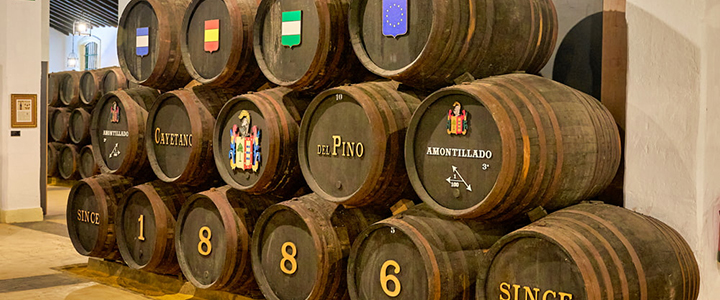
Most bottles of Sherry do not carry a vintage. Not because the producers lack precision, but because, in most cases, a vintage date would misrepresent what the wine actually is. A Fino, Manzanilla, Amontillado, Oloroso, Palo Cortado, Cream, Moscatel or Pedro Ximénez aged through the traditional system of criaderas and solera is not the wine of one harvest. It is the result of fractional blending across time.
That qualification matters. Vintage Sherry exists. The D.O. Jerez-Xérès-Sherry allows wines to be aged by añada, separately from other harvests, under specific controls. But añada wines are the exception. The dominant grammar of Sherry is not the single year. It is continuity: the gradual integration of younger wine into older wine, the renewal of biological or oxidative ageing systems, and the preservation of a recognisable house character through repeated sacas and rocíos.
Understanding the solera system changes how you read a label, how you interpret an age statement, and how you think about consistency in wine. It also prevents one of the most common mistakes made by newcomers to Sherry: confusing a solera date with a vintage.

The architecture of the solera
The system has two main elements: the solera and the criaderas. The solera – from suelo, floor – is the final scale of ageing, the one from which wine is drawn for bottling or for later blending. The criaderas are the intermediate scales, each containing wine at a younger stage of development. In traditional cellar language, they are the nurseries that feed the solera.
The number of criaderas is not fixed. It depends on the wine, the bodega, the desired average age and the rhythm of the sacas. A young Fino may move through a relatively simple system; a more complex biological wine may pass through a deeper one. Oxidative wines often follow a different tempo. What matters is not the physical height of the casks, but the hierarchy of age: younger wine refreshes older wine, and the oldest scale is the one from which the final wine is drawn.
The casks are botas. The traditional bota bodeguera is generally made of American oak and has a capacity of around 600 litres, although the official framework permits oak casks up to 1,000 litres and allows certain historical exceptions under Consejo Regulador control. In practice, botas used for biological ageing are not filled completely: a free surface is left inside the cask, allowing the veil of flor to develop on the wine. In oxidative ageing, where the wine ages without flor, oxygen contact becomes part of the wine’s slow development.

How the system moves
The movement of wine through the system is based on two complementary operations. The saca is the extraction: a portion of wine is drawn from the solera. The rocío is the replenishment: the wine removed from that oldest scale is replaced with wine from the first criadera. The first criadera is then refreshed from the second, and so on, until the youngest scale receives new wine that has completed its initial classification and period as sobretabla.
This process is known as correr las escalas – running the scales. No bota is emptied completely. No scale is replaced all at once. The system works by partial movement and gradual integration. Each saca contains wine from different points in the life of the system, but the proportions are never equal. Younger wine enters slowly; older wine moderates it; time, oxygen, flor and the cellar environment reshape the blend.
This is why the solera should not be imagined as a static pyramid of barrels, nor as a museum preserving untouched wine from the year it was founded. It is a living mechanism. A solera date on a label indicates the historical origin or foundation of the system, not the harvest year of the wine in the bottle. The original wine, if any remains at all in a literal sense, would be present only as a vanishingly small fraction after generations of sacas and rocíos. What persists is not a measurable vintage component, but a continuous style.

Average age, not exact age
Age in Sherry must be understood differently from age in most still wines. In a solera wine, the relevant figure is the average age of the blend. The youngest wine is younger than that figure; some components are older. The label, when it makes a certified age claim, is not telling you the age of every molecule in the bottle. It is describing the average age of the wine as a whole.
This is not a weakness of the system. It is one of its strengths. A vintage date would suggest a single harvest. A solera wine is a regulated continuum. Its identity comes from the relation between total stocks, annual withdrawals, the depth of the ageing system and the bodega’s own discipline in maintaining it.
The official calculation is deliberately operational rather than romantic. In the current Pliego de Condiciones, average age is defined as t = Vt / Ve: total volume of wine in the ageing system divided by the total volume extracted for commercialisation during one year. This is why age in Sherry is inseparable from stock management. If too much is drawn, average age falls. If the system is maintained with restraint, average age and character are preserved.

Minimum ageing and certified age
The current rules require protected generoso wines to have a minimum average ageing of two years. In practice, many wines exceed that minimum substantially, especially serious Finos, Manzanillas Pasadas, Amontillados, Olorosos and Palo Cortados.
Certified age indications are more demanding. The Consejo Regulador recognises wines of more than 12 years and more than 15 years, and the two great old-wine categories: VOS and VORS. VOS stands for Vinum Optimum Signatum, commonly associated with Very Old Sherry, and applies to wines with an average age of more than 20 years. VORS stands for Vinum Optimum Rare Signatum, commonly associated with Very Old Rare Sherry, and applies to wines with an average age of more than 30 years.
These terms are not decorative. They require evidence, control and tasting. For wines of more than 20 years, the bodega must have at least twenty litres in crianza for every litre released. For wines of more than 30 years, it must have at least thirty litres in crianza for every litre released. This stock discipline prevents old soleras from being overdrawn and helps protect the meaning of the certification.
It is therefore incorrect to treat every producer-declared age as if it were an official certification. A wine described by a bodega as “around 20 years old” is not automatically VOS. A wine drawn from an old solera is not automatically VORS. The certification belongs to controlled categories and, in the case of the oldest wines, to specific certified sacas.

The important exception: Añada Sherry
The phrase “Sherry has no vintage” is useful shorthand, but it is not technically complete. The D.O. also permits ageing by añadas. In that system, wines from a single harvest are aged separately, without being blended with wines from other years.
Añada Sherry is therefore the exception that proves the rule. It exists, it is regulated, and it may carry a vintage year. But it belongs to a different logic. It is a static system, whereas criaderas and solera are dynamic. In añada wines, the vessel is sealed and controlled so that the wine can be traced to a single harvest. The regulations also require that, when an añada wine states the harvest year, the year of bottling must also appear.
This distinction matters because it prevents an over-simplification. Most Sherry is not vintage wine because most Sherry is aged through a dynamic system of fractional blending. Vintage Sherry exists, but it is a separate and comparatively rare category.

Why the system exists
The solera system did not emerge from theory. It developed from practice. Jerez was an export region, and wines had to travel. Blending younger wines with older wines helped moderate harvest variation, improve reliability and create a product that could be recognised by merchants and drinkers across distant markets. The late eighteenth century was a decisive period in the development of the system and of the bodega architecture that made the modern Sherry industry possible.
Over time, what began as a practical solution became one of the defining cultural and technical features of the region. The system was particularly important for biological ageing, because flor needs renewal. Young wine brings nutrients. Periodic rocíos help keep the veil alive. Without movement, biological ageing would eventually exhaust itself. Oxidative wines benefit differently: they gain from gradual concentration, slow oxygen exposure and the moderating influence of older wine.
The system therefore serves several purposes at once. It creates continuity from year to year. It integrates harvest variation. It supports biological ageing. It gives the bodega a practical way to maintain house style. And, at its best, it produces a form of complexity that no single vintage could easily reproduce.

Consistency without uniformity
The consistency produced by criaderas and solera should not be confused with industrial uniformity. A classical Fino or Manzanilla is recognisable because the system preserves a house character, but each saca may still show nuance. Flor is alive. Temperature, humidity, seasonal rhythm, the condition of the yeast and the character of the young wine entering the system all influence the final expression.
This is particularly evident in seasonal sacas and in many en rama bottlings, where differences in texture, intensity, flor character and freshness can be perceptible. The wine remains recognisable, but it is not inert. The solera gives continuity; the cellar gives life.
For oxidative wines, the same principle applies in another register. An Oloroso or Palo Cortado may be shaped less by flor and more by oxygen, concentration and the slow exchange between wine, wood and air. But the dynamic system still matters. The older wine disciplines the younger wine, and the younger wine prevents the system from becoming static, exhausted or excessively concentrated.

What a solera date really means
A date printed on a Sherry label can easily mislead the unprepared reader. González Byass Solera 1847, for example, is not an 1847 vintage wine. The date refers to the foundation or historical identity of the solera, not to the harvest year of the wine in the bottle.
This does not make the date meaningless. It makes it different. A solera date points to continuity: to the long operation of a system, the preservation of a style, the memory of a bodega and the accumulated effect of countless sacas and rocíos. It is a historical claim, not a vintage claim.
The current rules recognise this distinction. References to the year of foundation of a solera or of a bodega may be used when they can be documented and when they do not create confusion. That final condition is essential: a solera date should illuminate history, not pretend to be a harvest year.

How to read the label
A Sherry label should therefore be read with different expectations. If the wine is a standard Fino, Manzanilla, Amontillado, Oloroso, Palo Cortado, Cream, Moscatel or Pedro Ximénez, it is normally a non-vintage wine from a system of criaderas and solera. If it carries an age indication such as 12 years, 15 years, VOS or VORS, that age refers to an average age under the relevant certification rules. If it carries a solera date, that is not a vintage. If it is labelled as an añada, then it belongs to the separate category of vintage Sherry.
The most important lesson is simple: Sherry is not less precise because it usually has no vintage. It is precise in another way. Its grammar is not the grammar of harvest year alone. It is the grammar of average age, dynamic ageing, biological or oxidative development, house style and time made continuous.
That is why the solera system remains central to understanding the wines of Jerez. It does not erase origin, age or history. It reorganises them. It turns the isolated year into a sequence, the single cask into a system, and the bottle into the visible result of an invisible chain of renewal.

junio 28, 2026 0 comments
0 FacebookTwitterPinterestEmail
BG The Albariza Soils of the Marco de Jerez
journaleducation

The Albariza Soils of the Marco de Jerez: Why Chalk Matters

written by admin

BG The Albariza Soils of the Marco de Jerez

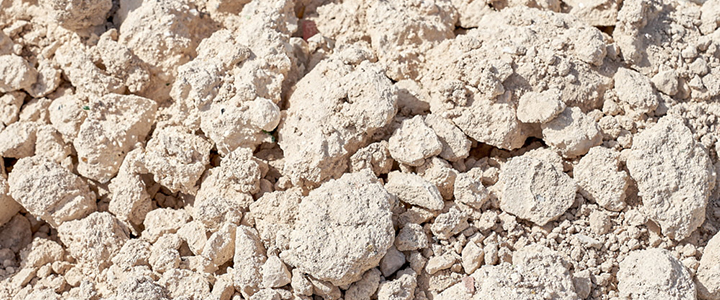
In midsummer, standing in an albariza vineyard of the Marco de Jerez, the ground can be almost painful to look at. The soil has baked under the Andalusian sun to a near-brilliant white, so reflective that it throws light back towards the vine canopy. This is albariza, and its whiteness is not decorative. It is functional. The colour comes from the calcareous nature of the soil, and that same composition helps explain why the best vineyards of the region are where they are.
The title of this article uses “chalk” in the broad wine-language sense: a useful word for evoking whiteness, limestone and porosity. Strictly speaking, however, albariza is not chalk in the narrow geological sense. It is more accurately described as a white calcareous marl. That distinction matters because albariza is not valuable merely because it is pale or limestone-rich. It matters because it combines mineral composition, structure, water behaviour, low fertility and a long history of viticultural adaptation.

What albariza is
Albariza is a white marl of marine origin, formed from ancient sediments deposited when this part of Andalusia lay beneath the sea during the Oligocene. Its composition is dominated by calcium carbonate, together with clay and silica. The silica is associated with the fossilised remains of marine microorganisms such as diatoms and radiolarians, which help explain the soil’s fine texture and porosity.
The official description of the D.O. Jerez-Xérès-Sherry identifies albariza as the predominant vineyard bedrock of the region: a soft white marl, easy to work, capable of retaining humidity and favourable to deep root development. It also places normal calcium carbonate levels in the range of at least 25% to 40%, with clay and silica completing the essential structure of the soil.
Other soils exist in the Marco de Jerez. Barros are darker, lower-lying, more fertile soils with more clay, sand and organic matter. Arenas are sandier coastal soils, with lower limestone content. All three have a place in the region’s viticultural landscape, but albariza has long been regarded as the defining soil for the highest-quality Palomino destined for Sherry.

A soil built for a dry summer
The Marco de Jerez receives around 600 litres of rainfall per square metre in an average year. The figure is not extraordinarily low by European standards, but the distribution is decisive. Rain falls mainly in the cooler months, while the active growing season is marked by long, bright, hot and dry conditions. The region also receives more than 300 days of sunshine a year, and the vineyard is shaped by the alternating influence of the Levante, the dry, warm wind from inland, and the Poniente, the humid Atlantic wind that moderates summer conditions.
Albariza is valuable because of how it manages that climate. During winter rains, the soil absorbs water and stores it at depth. As temperatures rise and the surface dries, the upper layer hardens into a pale crust that reduces evaporation. The vine’s roots, encouraged by the depth and structure of the soil, can explore the subsoil for reserves of moisture through the dry months.
Routine irrigation is therefore not part of the classical viticultural logic of Jerez. The current specifications of the D.O. allow vineyard irrigation only in exceptional circumstances or where the survival of the vines is at risk, and always under the authorisation and control of the Consejo Regulador. In normal conditions, albariza itself is expected to do the essential work of water storage and release.

Water, light and controlled vigour
The vine on albariza is not comfortably irrigated. Nor is it simply abandoned to drought. It lives within a controlled stress regime: enough water to continue its cycle, not enough to encourage excessive vigour. This balance is one of the keys to quality. Low fertility, limited organic matter and moderated water availability reduce vegetative growth and help concentrate the crop.
The whiteness of albariza adds another dimension. Its reflective surface increases light within the vine environment and helps moderate the immediate temperature around the plant. The effect should not be understood simplistically as “heating the bunches from below”. Albariza works through regulation: it reflects light, stores water, limits vigour, supports root depth and allows Palomino to ripen under demanding summer conditions while retaining the tension required for biologically aged wines.
This is especially important for Palomino. The grape is often described as neutral, but in Jerez that neutrality is not a weakness. On the contrary, Palomino’s restrained aromatic profile allows soil, biological ageing, oxidative development and cellar practice to become unusually legible in the final wine.

The human response: aserpiado
The importance of albariza is not only geological. It is also agricultural. Generations of growers developed vineyard practices designed to make the most of winter rainfall and reduce summer water loss. The best-known of these practices is aserpiado, in which the soil is shaped into small ridges and channels after the harvest. These serpentine forms slow the movement of rainwater, reduce erosion and encourage water to penetrate the albariza rather than running off the slope.
Aserpiado is a reminder that terroir in Jerez is not a passive idea. The soil matters, but so does the way people have learned to work with it. The vineyards of the Marco are the result of a long negotiation between climate, soil, grape variety and human practice.

Not one albariza, but many
Albariza should not be treated as a single uniform soil. Traditional local vocabulary distinguishes several expressions or subtypes, including tosca de barajuelas, tosca cerrada and lentejuelas. Tosca de barajuelas is noted for its layered structure; tosca cerrada is more compact; lentejuelas is associated with small shiny inclusions and textural variation.
These distinctions influence root penetration, water behaviour, vigour and the development of the grape. Growers who farm across different pagos often describe corresponding differences in must character: greater breadth in one site, more delicacy in another, stronger chalk-marked tension elsewhere. Such relationships should not be reduced to simple formulas. Soil subtype matters, but it interacts with slope, exposure, altitude, vine age, pruning, yield, harvest date, fermentation, fortification and ageing.

The pagos of the Marco de Jerez
The importance of albariza is inseparable from the idea of the pago. In the Marco de Jerez, a pago is a recognised viticultural area whose soils, orientation, altitude, orography and microclimate give its grapes a differentiated identity. It is not always equivalent to a single vineyard in the Burgundian sense. A pago may contain several viñas, but it expresses a shared set of conditions.
This vocabulary is old. References to the quality and particularity of the pagos appear in historical sources from at least the eighteenth century, and nineteenth-century authors such as Diego Parada y Barreto helped record the relationship between vineyard origin, grape quality and wine character. The modern Consejo Regulador completed the official map of pagos in 2015. Today, recognised pago names may be used on labels when traceability is guaranteed and at least 85% of the grapes come from the named pago.
For Jerez de la Frontera, Macharnudo remains the most celebrated name. Its prestige comes not from one factor alone, but from a combination of albariza, elevation, gentle slopes, exposure and Atlantic influence. Carrascal and Añina are also central to the historic geography of Jerez. For Sanlúcar de Barrameda, Miraflores is one of the emblematic pagos, often associated with finesse and maritime delicacy. For El Puerto de Santa María, Balbaína and Los Tercios are among the key names, their stronger Atlantic influence helping to shape a profile that sits between inland density and coastal freshness.
The official category of Jerez Superior should also be understood with precision. It is not merely a romantic synonym for “the best albariza”. It is a classification of vineyards whose agrogeological and climatic characteristics make them suitable for producing grapes of superior quality for the protected wines, with qualification overseen by the Consejo Regulador.

Why terroir is less visible in Sherry
The Marco de Jerez is one of the world’s great wine regions, yet vineyard-level discussion has historically been less visible here than in Burgundy, Barolo or the Mosel. The reason is structural. Sherry is not built around the release of a single vintage from a single parcel. It is built around classification, fortification, flor, oxidative development, dynamic ageing and the solera system.
Many bodegas have also depended, wholly or partly, on grapes or base wines supplied by growers and cooperatives. In that context, the identity of a wine has often been expressed through the solera, the bodega and the house style rather than through a named vineyard. The solera system itself tends towards continuity. It is designed to preserve a recognisable character over time, not to isolate the exact personality of a single harvest.
But this does not mean that terroir is absent. It means that terroir has often been less explicit. Soil and pago influence the must that enters the system. The solera then transforms, blends and lengthens that origin through time. In a great Sherry, site is not erased; it is absorbed into a broader architecture of biological or oxidative ageing.

The return of the vineyard
The renewed interest in pagos, old vineyard names, unfortified Palomino, en rama bottlings and specific solera selections has restored a missing layer of conversation. It does not reject the classical Sherry tradition. It enriches it. The modern language of site allows growers, bodegas and drinkers to ask more precise questions about why one Fino feels sharper, why one Manzanilla seems more delicate, why one Oloroso carries greater breadth or why a particular Palomino must has the structure to age.
This renewed attention to the vineyard also helps correct a common misunderstanding. Sherry is often presented only as a cellar wine, as if flor and solera alone explained everything. They explain a great deal, but not everything. The cellar can only transform what the vineyard gives it.

Why chalk matters
Albariza is not the whole explanation for Sherry. Flor, fortification, classification, criaderas and solera, cask age, cellar humidity, air flow and the decisions of the cellar master are all essential. But albariza is the beginning of the explanation. It is the physical condition that allows Palomino to grow, ripen and retain balance in a landscape of intense sunlight, dry summers and Atlantic winds.
The soil has always mattered. The historic language of pagos, the recognition of Jerez Superior vineyards and the renewed interest in origin all point to the same truth: Sherry is not only a cellar wine. It is also a vineyard wine. Understanding albariza is therefore the first step towards understanding why the wines of the Marco de Jerez taste as they do — not despite the solera system, but through it.

junio 28, 2026 0 comments
0 FacebookTwitterPinterestEmail
  • About
  • Contact
  • Newsletter
  • Where to Buy
  • Privacy Policy
  • Terms

NEWSLETTER

New tasting notes & buying recommendations. Stay updated.

Fine & Fortified

© 2026 Fine & Fortified. All rights reserved.


Back To Top
Fine & Fortified
  • Tasting Notes
  • Producers
  • Buying Guides
  • Journal
  • Where to Buy
  • About
  • Newsletter
  • AI Audit ✦