
Fine & Fortified
  • Tasting Notes
  • Producers
  • Buying Guides
  • Journal
  • Where to Buy
  • About
  • Newsletter
  • AI Audit ✦
Fine & Fortified
Fine & Fortified
  • Tasting Notes
  • Producers
  • Buying Guides
  • Journal
  • Where to Buy
  • About
  • Newsletter
  • AI Audit ✦

@2022 - All Right Reserved. Designed and Developed by PenciDesign

Wine Style: Pedro Ximénez

BG Pedro Ximenez Guide

The Pedro Ximénez Guide: Eight Wines Across the Full Spectrum

written by admin

BG Pedro Ximenez Guide

Pedro Ximénez is one of the most distinctive wine categories in the Marco de Jerez. It belongs to the family of vinos dulces naturales: wines obtained by fortifying musts from overripe or raisined grapes and then ageing them oxidatively for at least two years. Under the DO Jerez-Xérès-Sherry, Pedro Ximénez must be made from at least 85% must of raisined Pedro Ximénez grapes, with a minimum sugar level of 212 g/l expressed as glucose and fructose.
The defining practice is soleo – or asoleo – the sun-drying of the grapes after harvest, commonly on esparto mats. It is not exclusive to Pedro Ximénez, since Moscatel may also be made from raisined grapes, but in Pedro Ximénez it reaches its most concentrated and recognisable expression. Depending on weather and producer practice, the grapes may remain in the sun for up to around two weeks, losing water and concentrating sugars, acidity and flavour before pressing.
The resulting must is dense and difficult to ferment. Fermentation may begin slowly, but the must or partially fermenting must is fortified with wine alcohol to prevent or stop fermentation, leaving a very sweet wine that then enters botas for oxidative ageing, normally through the criaderas and solera system. Producer-level statements about vineyard origin should be read carefully: some important wines use estate fruit from Jerez Superior, while the current regulations also allow, under specific conditions, the use of fortified must from raisined Pedro Ximénez grapes from Montilla-Moriles.
What the solera does to Pedro Ximénez over time is not simply a matter of adding complexity. It is a physical transformation. The wine darkens from mahogany to ebony. Evaporation concentrates what remains. Volatile acidity builds slowly, adding a thread of lift that cuts through the sweetness. The raisin and fig notes of a younger Pedro Ximénez can deepen into dark chocolate, coffee, molasses, tar, balsamic reduction, old wood and dried citrus peel. At VOS and VORS level, the wines can move beyond familiar dessert-wine vocabulary.
This guide covers the full spectrum: from wines around five to twelve years of age, where raisined fruit remains dominant, through mature and certified old solera wines, to VORS bottlings where decades of oxidative ageing have transformed the raw material into something singular.

Young to mature solera wines – fruit still dominant
Pedro Ximénez La Cilla – Barbadillo
La Cilla is Barbadillo’s house Pedro Ximénez, aged oxidatively for five years in the traditional Jerez system of criaderas and solera. The current technical sheet gives 17.5% alcohol and around 400 g/l sugar, with ageing in American oak in the Las Pastoras cellars. The profile is very dark mahogany, with plums, raisins and chocolate against a background of seasoned wood. At this level, the wine’s character is still primarily defined by the grape and the soleo process rather than by very old oxidative concentration: the sweetness is direct, the fruit is clear, and the finish is warm and persistent. A reliable entry point to the category.

Néctar Pedro Ximénez – González Byass
Néctar is González Byass’s accessible Pedro Ximénez and a widely available benchmark in export markets. The current producer page presents it as 100% Pedro Ximénez, aged for nine years in the criaderas and solera system. The wine is ebony in colour, with aromas of raisins, figs, dates, honey, syrup and fruit preserve. At around 370 g/l residual sugar in current technical material, it is intensely sweet, but the palate retains enough acidity to keep the texture from becoming static. It is a useful reference point for the style before the most oxidative notes take over.

Pedro Ximénez El Candado – Valdespino
El Candado takes its name – the padlock – from the family story printed on the label: selected casks were supposedly kept locked away to preserve the wine for one person. Specialist sources trace the solera to the almacenista Manuel de Argüeso, acquired by Valdespino in 1972, while current trade material places the wine at around ten years of oxidative ageing. It remains a concentrated but relatively expressive Pedro Ximénez: 100% Pedro Ximénez, 17% alcohol and around 400 g/l residual sugar in a current UK technical sheet. Raisins, figs, sultanas, roasted coffee and sweet liquorice appear without losing the brighter fruit-and-spice line that makes it more immediately open than heavier old examples.

Pedro Ximénez San Emilio – Lustau
San Emilio is the most mature wine in this first group and a step up in weight and complexity. Lustau states that the grapes are laid out in the sun until they are practically raisins, after which fermentation begins slowly and is halted to retain the natural sugars. The wine then ages oxidatively for twelve years in Jerez de la Frontera. Ebony in colour, with iodine highlights, it combines figs, raisins and dates with a dense, velvety palate and a very long finish. The technical sheet gives 17% alcohol and 417 g/l residual sugar. It is also a strongly validated bottle in competition terms, having received Platinum and 97 points at the 2021 Decanter World Wine Awards.

Mature and old solera wines – age and wood gain weight
Pedro Ximénez – El Maestro Sierra
El Maestro Sierra’s standard Pedro Ximénez requires careful wording because public technical information is not fully uniform. Published trade sources describe anything from five-plus years to fifteen years in solera; for publication, it is safest to present it as a mature, non-age-certified Pedro Ximénez rather than attaching a regulatory age claim to the label. What is consistent across the available material is the style: 100% Pedro Ximénez, 15% alcohol, oxidative solera ageing and the house’s traditional, low-intervention cellar culture. The wine is dark and concentrated, but it often shows a fresher spice-and-caramel register, with orange peel, honey, raisins and coffee-like notes carried by more acidity than many Pedro Ximénez wines at comparable sweetness.

Don Guido Pedro Ximénez VOS – Williams & Humbert
Don Guido carries VOS certification, with a minimum average age of twenty years. The current Williams & Humbert product sheet describes a natural sweet Pedro Ximénez from raisined grapes grown in Pago de Balbaína, in Jerez Superior. The grapes are partially sun-dried for fifteen days, pressed, fortified first to 9% and later to 18%, then aged oxidatively in criaderas and solera for at least two decades. Current producer data gives 18% alcohol and approximately 440 g/l sugar, with a stated tolerance. The profile has shifted decisively away from fresh fruit into very old sweet-wine territory: black mahogany colour, raisins, figs, broad balsamic notes, low acidity, honeyed texture and a long, persistent finish. Named for Guy (Guido) Williams, son of the house’s founder, it is the old Pedro Ximénez reference within the Williams & Humbert range.

VORS – thirty years and beyond
Noé Pedro Ximénez VORS – González Byass
Noé is González Byass’s VORS Pedro Ximénez. Current technical material states that the grapes are laid out on esparto mats for up to two weeks, that the must begins to ferment slowly and stops at around 7% alcohol because of sugar stress, and that the wine is then fortified to 15% before entering the Noé solera. It remains in cask for an average of more than thirty years and is certified VORS. González Byass also states that, for this sweet Pedro Ximénez Sherry, it uses only grapes from its own vineyards in Jerez Superior. The result is not simply an older version of Néctar: the wine becomes more volatile, more balsamic and more savoury, with mature fig, coffee, spice, mint-like lift and a dense, silky palate. The current technical sheet gives more than 400 g/l residual sugar, so the sweetness remains massive; what age supplies is not less intensity, but more lift and complexity.

Pedro Ximénez Niños VORS – Valdespino
Niños is one of the most remarkable certified Pedro Ximénez wines in the Marco. VORS guarantees an average age of more than thirty years, but published specialist and technical materials generally present this tiny Valdespino solera as much older, in the 50-60+ year range, with some material citing only eight casks. A selection from the Pedro Ximénez El Candado solera is used to refresh the youngest criadera of this wine. Published technical data has cited 15% alcohol, 5.7 g/l total acidity and around 440 g/l residual sugar, although very old Pedro Ximénez figures should always be treated as release-specific. The profile is very dark mahogany, almost opaque and extremely dense: concentrated ripe fruit, raisins, dates, dried figs, molasses, roasted coffee and liquorice, with acidity as the essential counterweight. Production is necessarily tiny and availability is usually limited to specialist importers and serious fortified-wine retailers.

A note on age and technical data
Ages in this guide are average solera ages, not vintage dates. VOS and VORS are official age categories, but additional claims such as fifty or sixty years should be treated as producer or specialist-source information unless the exact bottling carries that certification or documentation. Sugar, acidity and alcohol figures are useful guides to style, but they are not immutable across every release or market.

A note on serving and storage
Pedro Ximénez is best served slightly chilled – around 10-12°C – in small quantities. A standard white-wine glass or small dessert-wine glass is preferable to a very narrow copita; the aromatics need space. The classic pairings are strong blue cheeses, dark chocolate and vanilla ice cream, but mature Pedro Ximénez is also worth drinking alone without competition. Open bottles are far more stable than Fino or Manzanilla, but they still lose aromatic precision: recork, refrigerate and avoid keeping them open indefinitely. At VOS and VORS level, the wine deserves the same attention as any great aged dessert wine.

Where to buy
Treat this guide as a producer and style guide, not as a live stock list. The wines above may appear through specialist retailers in the UK and US, but availability changes by saca, shipment and market. In the United Kingdom, retailers worth checking include The Whisky Exchange, Butlers Wine Cellar, Soho Wine Supply, The Wine Society, Tanners Wines, Amathus Drinks and Waitrose Cellar. In the United States, useful sources include 67 Wine, K&L Wine Merchants, Astor Wines & Spirits, Despaña Vinos y Más, Flatiron Wines & Spirits and MacArthur Beverages, with regional specialists such as Slope Cellars and Noe Valley Wine & Spirits also worth checking. Shipping rules, release dates and bottle formats vary, especially in the US and for en rama or limited bottlings. For the most reliable distribution information in your market, contact the producer, importer or specialist retailer directly.

Editorial note
This guide was reviewed against current publicly available producer information, regulatory documentation and specialist retailer data. Prices, release dates, bottling formats and availability may change by market and by saca. Ages are average solera ages unless expressly described otherwise; analytical figures such as alcohol, acidity and residual sugar correspond to the cited producer or importer material and may vary slightly by release, format or market. Readers should check the exact bottling, format and release before purchase.
junio 28, 2026 0 comments
0 FacebookTwitterPinterestEmail
BG VORS Guide

The VORS Guide: Eight Great Aged Sherries and What the Certification Actually Means

written by admin

BG VORS Guide

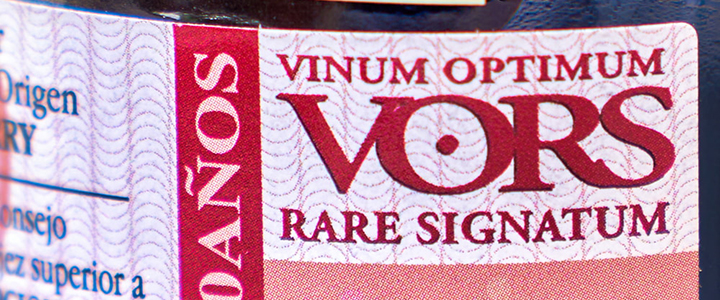
The letters VORS stand for Vinum Optimum Rare Signatum – Very Old Rare Sherry. They indicate a certified average age of more than thirty years, verified by the Consejo Regulador for each individual saca, or bottling lot. This is not a loose marketing claim. The wine must pass organoleptic assessment by the Consejo’s tasting committee, supported by analytical controls, and the bodega must respect the corresponding stock quota: for every litre of VORS wine released, at least thirty litres must remain in the relevant ageing system.

VORS belongs to the category of Sherries with certified age. The step below it is VOS – Vinum Optimum Signatum, or Very Old Sherry – which certifies an average age of more than twenty years. In practice, these certifications are linked to wines that have undergone prolonged oxidative or physico-chemical ageing. Purely biological wines such as Fino and Manzanilla do not remain unchanged under flor for such periods; after enough time, the flor weakens and the wine moves towards Amontillado or another oxidative profile. This guide focuses on the four families most relevant to the VORS buyer: Amontillado, Oloroso, Palo Cortado and Pedro Ximénez.
The thirty-year threshold is a regulatory floor, not a ceiling. Some VORS wines are only modestly above the minimum; others are supported by soleras whose average age may be much higher. Where a producer or specialist source gives a higher average age, that figure should be treated as contextual information rather than as a separate legal category. The only statement of age guaranteed by the seal itself is more than thirty years.

A note on certified age and older claims
VORS is an average-age certification, not a vintage date and not the age of the oldest wine in the solera. It is also not automatically permanent for a brand: the certification belongs to the lot presented and approved. Historical dates – the foundation of a solera, the age of a bodega, or the purchase of a group of butts – are useful context, but they should not be confused with the certified average age of the bottled wine.

A note on style and technical data
VORS certifies age and suitability for the category; it does not by itself certify a specific sweetness level, a fixed production volume, or the exact analytical profile of every market release. Dry VORS wines are normally dry in style, but very old Oloroso soleras can show discreet residual sweetness or historical adjustment, and public figures for alcohol, sugar, acidity and annual bottling may vary between producer sheets, importers and releases. Use those figures as release-level context, not as immutable facts.

Amontillado VORS
Amontillado del Duque VORS – González Byass
Del Duque is one of the benchmark VORS Amontillados of Jerez. González Byass presents it as a solera that began with sixteen butts purchased from the Duke of Medinaceli in 1835, a transaction that explains the name. The wine is made from Palomino Fino and is presented with an average age of around thirty years in American oak, while the VORS seal confirms the over-thirty-year category. It is dry, powerful and structured, but its best quality is not sheer force: the long ageing brings walnut, fine wood, dried citrus peel, saline depth and the old flor memory that distinguishes Amontillado from Oloroso. It remains one of the more accessible VORS Amontillados in export markets, though availability and format vary by country.

Coliseo Amontillado VORS – Valdespino
Coliseo is a rare and demanding Amontillado VORS from Valdespino. Its biography is usually described as beginning with long biological ageing before moving into an extended oxidative phase, which explains the unusual combination of saline lift, old yeast and profound concentration. Specialist sources place the wine well beyond the thirty-year minimum, though public age claims vary widely; for publication, the VORS seal is therefore the safest formal age statement. The profile is deep and complex: dried flowers, orange rind, hazelnut, old wood, bitter spice and a finish of exceptional persistence. It is a wine for experienced Sherry drinkers rather than an introductory VORS.

Oloroso VORS
Oloroso Tradición VORS – Bodegas Tradición
Bodegas Tradición was relaunched in 1998 by Joaquín Rivero as a project devoted to preserving very old Jerez soleras. Its Oloroso VORS is made from Palomino Fino and aged entirely oxidatively in American oak. Current producer information gives an average age of around thirty-five years and describes a limited, numbered production. The wine is dry, concentrated and assertive, with walnut, tobacco, cedar, polished wood, warm spice and a saline, slightly volatile line that gives lift rather than heaviness. Older trade material has sometimes cited higher age figures and different production volumes, so current producer data should take precedence unless a specific release states otherwise.

Oloroso Sibarita VORS – Osborne
Sibarita is one of Osborne’s historic old Oloroso soleras in El Puerto de Santa María. The current market presentation links the wine to a solera founded in 1792 and to a small group of old butts; specialist import material describes 106 barrels and a very low annual draw. What matters in the glass is the classical old-Oloroso structure: dark, dense and mahogany-coloured, with walnut, tobacco, dark chocolate, dried orange peel, old wood and a long warming finish. Some import material also notes a very small Pedro Ximénez adjustment, so the wine is best described by its Oloroso VORS classification and taste profile rather than by an over-simple bone-dry claim. The VORS seal guarantees more than thirty years; any claim that the wine is substantially older should be presented as producer or importer context rather than as an additional official age category.

Palo Cortado VORS
Palo Cortado Tradición VORS – Bodegas Tradición
Palo Cortado sits at the stylistic intersection of Amontillado and Oloroso: aromatic finesse and saline precision on one side, breadth and structure on the other. Tradición’s Palo Cortado VORS is made from Palomino Fino and aged through biological and oxidative phases. Current producer information gives an average age of about thirty-five years, while some specialist importer material cites roughly thirty-two; the safest formal statement remains VORS, over thirty years. The wine is bone dry yet aromatically generous, with apricot, almond, roasted hazelnut, bitter orange, old wood and a velvety, saline palate that resolves into a long bitter finish. It is not merely old; it is balanced at an age where Palo Cortado can still retain elegance.

Palo Cortado Wellington VORS – Hidalgo-La Gitana
Wellington VORS is the older certified expression of Hidalgo-La Gitana’s Palo Cortado line. It should be kept distinct from the better-known Wellington VOS bottling, which belongs to the twenty-year category. The VORS version is produced from Palomino Fino associated with the Balbaína and Miraflores vineyard sources and is shaped by Sanlúcar’s maritime cellar conditions. Its profile is less heavy than many inland Palo Cortados: candied orange peel, quince, ginger, toasted hazelnut, cigar ash and smoke, carried by a dry, clean, saline finish. Public sources differ on the exact production volume and higher average-age claims, so the formal statement should remain VORS: more than thirty years.

Pedro Ximénez VORS
Pedro Ximénez Venerable VORS – Osborne 
Venerable is Osborne’s Pedro Ximénez VORS, from a solera dating to 1902 and later incorporated into the Osborne portfolio from the Domecq heritage. Specialist technical material describes three criaderas and a solera row, 103 butts in total. The wine is made from raisined Pedro Ximénez, with fruit sources often given as Montilla, a traditional and legally recognised supply route for this style under the Jerez framework. It reaches around 17% abv with very high residual sugar. It is black, viscous and intensely sweet, but not simple: Turkish coffee, fig syrup, dates, caramel, roasted nuts, dark chocolate and a volatile-acid lift that prevents the texture from becoming merely syrupy. Serve in very small quantities; its concentration demands attention rather than volume.

Pedro Ximénez Triana VORS – Hidalgo-La Gitana
Triana takes its name from the famous barrio of Seville. The VORS version is made from sun-dried Pedro Ximénez and aged for more than thirty years in the solera system. Technical and importer material commonly places it at around 15% abv and approximately 450 g/l residual sugar, though such figures should be checked against the exact release. The density is extreme: the wine pours almost like motor oil, with roasted coffee, dark chocolate, prunes, raisins and old wood. The palate is full-bodied and velvety, managing to retain freshness despite its concentration, with a long finish and a profile that rewards patience in the glass.

A note on price and value
VORS wines are expensive because they are genuinely scarce and genuinely costly to produce. A wine that has spent more than thirty years in a solera system represents only a fraction of the original volume; the rest has been lost through evaporation and through decades of careful replenishment. The prices reflect that reality. What the market does not always recognise is how these wines compare to mature wines from other regions at similar price points. A great VORS Amontillado, Oloroso or Palo Cortado offers concentration, longevity and complexity that would be far more expensive in many other fine-wine categories.

A note on serving and storage
Serve dry VORS wines slightly chilled rather than cold: around 12-14°C is usually a good starting point for Amontillado, Oloroso and Palo Cortado, while very sweet Pedro Ximénez can be served a little cooler. Use a small white-wine glass rather than a tiny copita if you want the aromas to open. Once opened, VORS wines are much more stable than biologically aged Sherries, but they should still be recorked, kept cool and consumed within a reasonable period. Pedro Ximénez VORS will usually hold longer than a dry VORS, yet neither improves through careless storage.

Where to buy
Treat this guide as a producer and style guide, not as a live stock list. The wines above may appear through specialist retailers in the UK and US, but availability changes by saca, shipment and market. In the United Kingdom, retailers worth checking include The Whisky Exchange, Butlers Wine Cellar, Soho Wine Supply, The Wine Society, Tanners Wines, Amathus Drinks and Waitrose Cellar. In the United States, useful sources include 67 Wine, K&L Wine Merchants, Astor Wines & Spirits, Despaña Vinos y Más, Flatiron Wines & Spirits and MacArthur Beverages, with regional specialists such as Slope Cellars and Noe Valley Wine & Spirits also worth checking. Shipping rules, release dates and bottle formats vary, especially in the US and for en rama or limited bottlings. For the most reliable distribution information in your market, contact the producer, importer or specialist retailer directly.

Editorial note
This guide was reviewed against current publicly available producer information, regulatory documentation and specialist retailer data. Prices, release dates, formats and availability may change by market and by saca, especially for VOS, VORS and other limited bottlings. Readers should check the exact wine, bottling format and release before purchase.

junio 28, 2026 0 comments
0 FacebookTwitterPinterestEmail

Pedro Ximénez Venerable VORS

written by admin

Pedro Ximénez Venerable VORS is Bodegas Osborne’s pedro ximénez vors expression within its current or recently verified portfolio. The current documentation records more than 30 years. The profile is kept edition-specific where the public documentation is incomplete. The current documentation records it as made from 100% Pedro Ximénez, aged through oxidative ageing in the solera system, with an age statement of More than 30 years, at 17% alcohol and in 50cl. No caveat beyond current price and stock verification.

Very dark mahogany, with raisins, figs, molasses and cocoa; dense, sweet and long. Concentration is balanced by freshness and oxidative complexity. 101 vinos · numeración 603–703

junio 24, 2026 0 comments
0 FacebookTwitterPinterestEmail

Pedro Ximénez Triana

written by admin

Triana is named after the famous barrio of Seville — the flamenco neighbourhood across the river from the city centre — and represents Hidalgo’s standard Pedro Ximénez, made from sun-dried Pedro Ximénez grapes and aged in the solera system. An accessible, younger expression of the sweet style.

The colour is a deep mahogany. The nose is immediately expressive: crystallised figs, dark raisins, caramel and a warming spice note. The palate is richly sweet with natural acidity providing freshness. The finish is long and warm. An excellent introduction to the Pedro Ximénez style at an accessible price point.

junio 24, 2026 0 comments
0 FacebookTwitterPinterestEmail

Pedro Ximénez Triana VORS

written by admin

The VORS version of Triana adds approximately thirty-five years of average age to the equation, transforming the accessible sweetness of the young Pedro Ximénez into something far more profound. Sun-dried Pedro Ximénez grapes, arrested fermentation, decades in old American oak: the result is a wine of extraordinary concentration and complexity.

The colour is near-black. The nose is profoundly sweet and complex: crystallised fig, black treacle, ancient raisin, coffee, dark chocolate and a warm, ancient spice note from the very old wood. The palate is richly sweet with a thread of natural acidity providing freshness and structure. The finish is enormously long and warmly complex. An outstanding VORS Pedro Ximénez from a producer best known for Manzanilla, demonstrating the full breadth of Hidalgo’s range.

junio 24, 2026 0 comments
0 FacebookTwitterPinterestEmail

Pedro Ximénez El Maestro Sierra

written by admin

El Maestro Sierra Pedro Ximénez is a natural sweet Sherry made from 100% Pedro Ximénez and aged oxidatively in American oak. The current producer profile records 15% alcohol and identifies it as a traditional Pedro Ximénez from the house’s Jerez soleras.

Dark and dense, with classic notes of sun-dried grape, caramel and molasses, lifted by exotic spice and a faint red-fruit edge. The palate is very sweet but carried by lively acidity, giving the wine freshness and avoiding excessive heaviness.

junio 24, 2026 0 comments
0 FacebookTwitterPinterestEmail

Pedro Ximénez Viejísimo El Maestro Sierra

written by admin

Pedro Ximénez is Bodegas El Maestro Sierra’s pedro ximénez expression within its current or recently verified portfolio. The profile is kept edition-specific where the public documentation is incomplete. The current documentation records it as made from 100% Pedro Ximénez, aged through oxidative ageing in the solera system, at 15% alcohol and in 75cl. No caveat beyond current format, price and stock verification.

Very dark mahogany, with raisins, figs, molasses and cocoa; dense, sweet and long. Concentration is balanced by freshness and oxidative complexity.

junio 24, 2026 0 comments
0 FacebookTwitterPinterestEmail

Pedro Ximénez Tradición VOS

written by admin

Pedro Ximénez Tradición VOS is Bodegas Tradición’s pedro ximénez vos expression within its current or recently verified portfolio. The current documentation records more than 20 years. The profile remains tied to the exact current bottling and release. The current documentation records it as made from 100% Pedro Ximénez, aged through oxidative ageing in the solera system, with an age statement of More than 20 years, at 15% alcohol and in 75cl. No caveat beyond current price, stock and bottle-level verification.

Very dark mahogany, with raisins, figs, molasses and cocoa; dense, sweet and long. Concentration is balanced by freshness and oxidative complexity.

junio 24, 2026 0 comments
0 FacebookTwitterPinterestEmail

Don Zoilo Pedro Ximénez En Rama

written by admin

Don Zoilo Pedro Ximénez en Rama is Bodegas Williams & Humbert’s pedro ximénez en rama expression within its current or recently verified portfolio. The current documentation records approx. 15 years. The profile remains tied to the exact current bottling and release. The current documentation records it as made from 100% Pedro Ximénez, aged through oxidative ageing in the solera system, with an age statement of Approx. 15 years, at 15% alcohol and in 75cl. No caveat beyond current price, stock and bottle-level verification.

Very dark mahogany, with raisins, figs, molasses and cocoa; dense, sweet and long. Concentration is balanced by freshness and oxidative complexity.

junio 24, 2026 0 comments
0 FacebookTwitterPinterestEmail

Don Guido Pedro Ximénez VOS

written by admin

Don Guido Pedro Ximénez VOS is Bodegas Williams & Humbert’s pedro ximénez vos expression within its current or recently verified portfolio. The current documentation records minimum 20 years. The profile remains tied to the exact current bottling and release. The current documentation records it as made from 100% Pedro Ximénez, aged through oxidative ageing in the solera system, with an age statement of Minimum 20 years, at 18% alcohol and in 50cl. No caveat beyond current price, stock and bottle-level verification.

Very dark mahogany, with raisins, figs, molasses and cocoa; dense, sweet and long. Concentration is balanced by freshness and oxidative complexity.

junio 24, 2026 0 comments
0 FacebookTwitterPinterestEmail
Newer Posts
Older Posts
  • About
  • Contact
  • Newsletter
  • Where to Buy
  • Privacy Policy
  • Terms

NEWSLETTER

New tasting notes & buying recommendations. Stay updated.

Fine & Fortified

© 2026 Fine & Fortified. All rights reserved.


Back To Top
Fine & Fortified
  • Tasting Notes
  • Producers
  • Buying Guides
  • Journal
  • Where to Buy
  • About
  • Newsletter
  • AI Audit ✦